
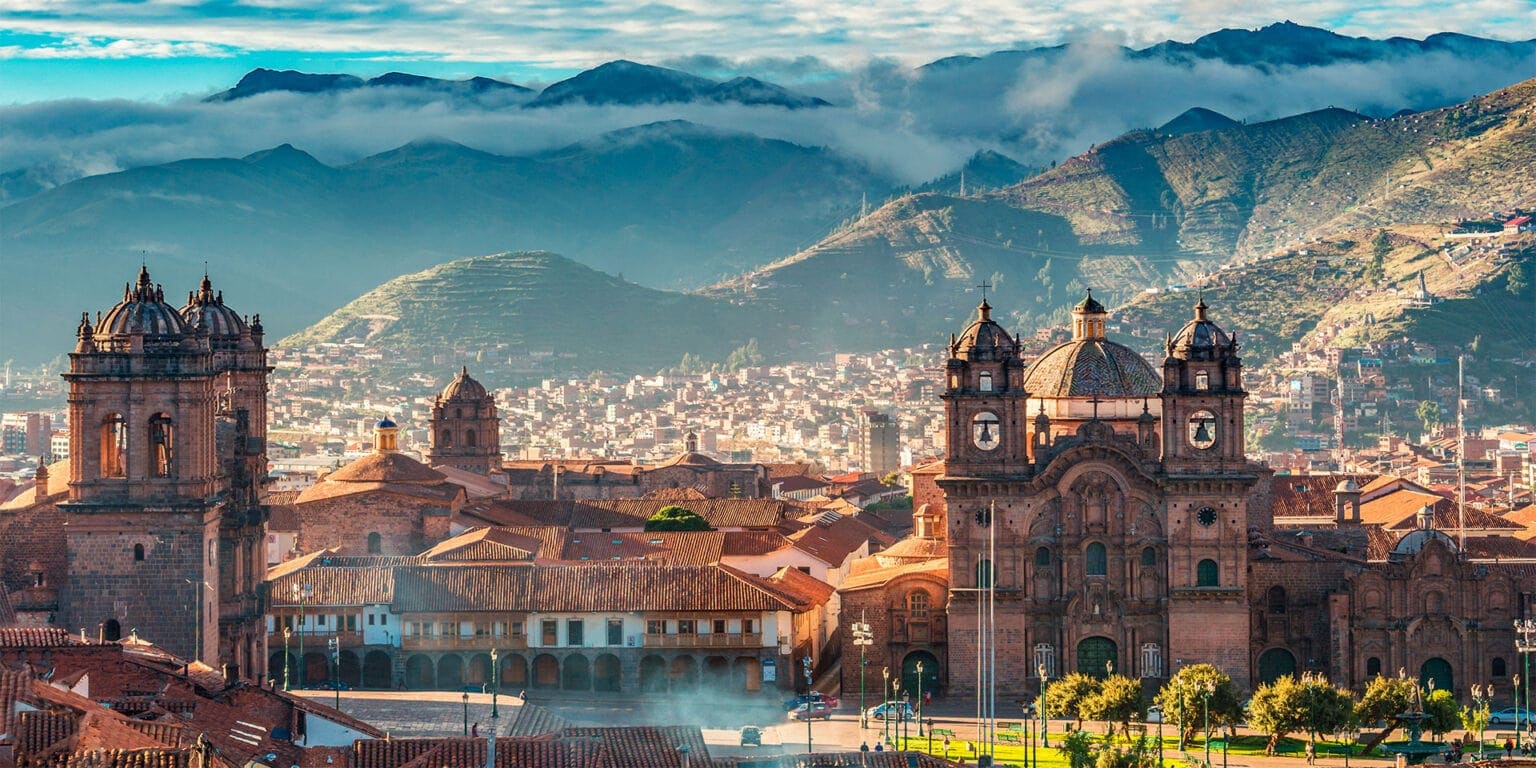
Discover Cusco’s Inca and colonial heritage on a cultural tour combining the Cathedral, Qorikancha and important archaeological sites around the city with a visit to the impressive Inca city of Pisac in the Sacred Valley. Explore monumental architecture, ceremonial spaces, panoramic landscapes and the history of the Inca Empire.
The Cusco City Tour + Pisac offers a cultural journey through the Inca and colonial heritage of Cusco, combining important monuments in the historic center, archaeological sites located outside downtown Cusco and the Inca city of Pisac in the Sacred Valley.
The Cathedral, located in Cusco’s main square, is one of the city's most important Catholic monuments. It was built over a period of 94 years, between 1560 and 1654, and reflects several European artistic styles, including Renaissance, Mannerist and Baroque. Inside are wooden altarpieces decorated with gold leaf and numerous paintings created by indigenous artists of the Cusquenian school of arts. One of the most notable works is the painting of the Last Supper, featuring baked guinea pig as the main dish, an allusion to traditional Cusco cuisine.
Qorikancha, known as the Temple of the Sun, was the most important sanctuary of the Inca civilization. Its name comes from the Quechua words Qori, meaning gold, and Kancha, meaning enclosure or stone wall. According to early Spanish accounts, its stone walls were covered in gold. Its enclosures contained finely crafted statues made of gold, silver and other precious alloys representing deities from nations allied with the Inca Empire. Today, a colonial convent built by the Dominican Order stands over the ancient Inca temple.
Sacsayhuaman, located northeast of Cusco at more than 3,632 meters above sea level, is considered an architectural emblem of the city. Its monumental walls were built with gigantic stones weighing approximately 80 to 120 tons each. According to the provided text, these stones were transported from more than 23 kilometers away across rugged terrain using remarkable engineering techniques. Sacsayhuaman is described as a temple dedicated to Illapa, the Inca deity associated with lightning and thunder. Its upper area also offers an impressive panoramic view of Cusco.
Q'enqo is a natural rock formation shaped by geological processes associated with the melting of the last ice age. Inca architects adapted its natural cavern into a chamber used for mummification ceremonies. The cooler temperature inside the cave helped provide suitable conditions while these rituals took place.
Pukapukara is a pre-Hispanic construction featuring a prominent tower surrounded by terraces and walls resembling a fortress. It is believed to have functioned as a military watchtower. Its name combines puka, a Quechua word meaning red, and pukara, described in the text as an Aymara-derived term related to an observatory or viewpoint. According to the provided description, similar pukaras were built on elevated points throughout the Inca Empire and were used to send and receive messages through the reflection of bronze mirrors.
Tambomachay is an Inca temple characterized by stone-carved fountains and channels through which water continues to flow. The arrangement of its channels and fountains is associated with the concept of the Inca trilogy: future, present and past, or alternatively the condor, puma and snake. The site is also linked to purification rituals and ceremonies related to maintaining balance between the dry and rainy seasons, an important aspect of Andean agriculture and society.
The tour then continues to Pisac, an Inca city located on top of a mountain in the Sacred Valley. According to the provided text, Pisac was larger than Machupicchu and served as an important trading center connecting the jungle with the imperial city of Cusco. Coca leaves were traded along this route and are described in the source as having been used as a form of Inca currency.
The city of Pisac was built in stone, with dwellings and agricultural terraces adapted to steep and difficult mountain slopes. This construction allowed the Incas to make productive use of limited agricultural land and demonstrates their ability to adapt to challenging Andean geography.
For a better travel experience, hiring a professional tour guide is recommended.
What to bring:
The excursion combines attractions in Cusco with archaeological sites outside the city and continues to Pisac, located in the Sacred Valley.
Prices per vehicle
No payment required to request a quote
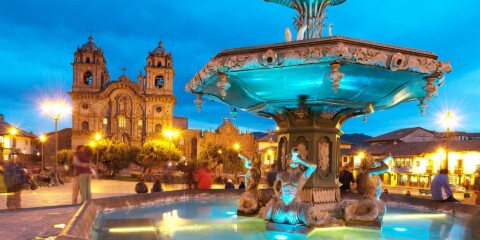
Discover Cusco’s Inca and colonial heritage on a cultural tour visiting the Cathedral, Qorikancha and the archaeological sites of Sacsayhuaman, Q'enqo, Pukapukara and Tambomachay. Explore temples, ceremonial spaces, monumental Inca architecture and panoramic views of the city.
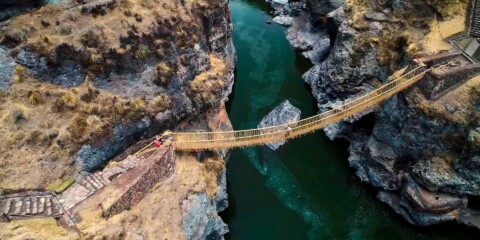
Discover Q´eswachaka Bridge and 4 Lagoons on a cultural and scenic journey through the southern Andes of Cusco. Visit the last traditional Inca rope bridge and enjoy the landscapes of Pomacanchi, Acopía, Asnacocha and Pampamarca lagoons, surrounded by mountains, wildlife and traditional Andean communities.
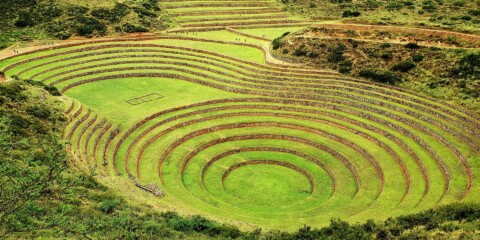
Discover Chinchero, Moray and the Salt Mines on a cultural journey through remarkable Inca archaeological sites and traditional Andean landscapes. Explore the royal heritage of Chinchero, the impressive circular agricultural terraces of Moray and thousands of salt ponds fed by a natural saline spring.