
Discover the Traditional Sacred Valley, a remarkable Andean region shaped by the Vilcanota River, fertile agricultural lands and towering mountains. Visit the important Inca sites of Pisac, Ollantaytambo and Chinchero while exploring ancient settlements, agricultural terraces, temples and living examples of Inca urban heritage.
The Traditional Sacred Valley extends along the Vilcanota River, known in Quechua as Willcamayu, through an Andean landscape characterized by fertile agricultural lands, mountains and snow-capped peaks. Its particular climate and agricultural productivity contributed to the importance of this valley, where the Incas and earlier cultures developed settlements adapted to challenging mountain terrain while preserving the limited arable land of the valley floor.
The tour visits Pisac, Ollantaytambo and Chinchero, three important destinations that showcase different aspects of Inca architecture, urban planning, agriculture and history.
Pisac is an Inca city built high on a mountain, demonstrating the ability of Andean societies to adapt their settlements and agricultural terraces to steep terrain. According to the provided text, Pisac served as an important trading center connecting the jungle with the imperial city of Cusco. Coca leaves were traded along this route and are described in the source as having been used as a form of Inca currency.
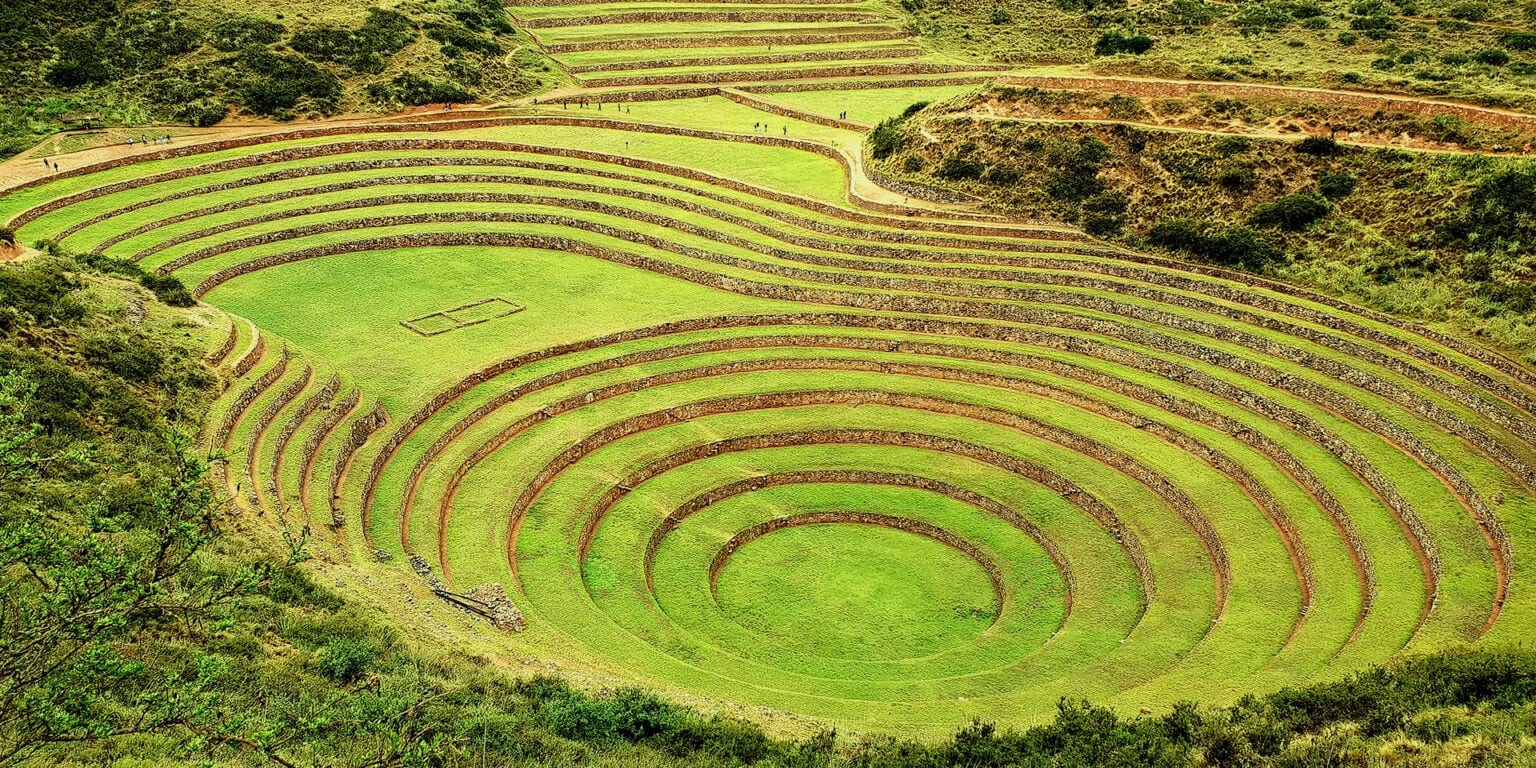
The city was constructed in stone, with dwellings and agricultural terraces adapted to difficult mountain slopes. This allowed the Incas to make productive use of areas where suitable agricultural land was limited.
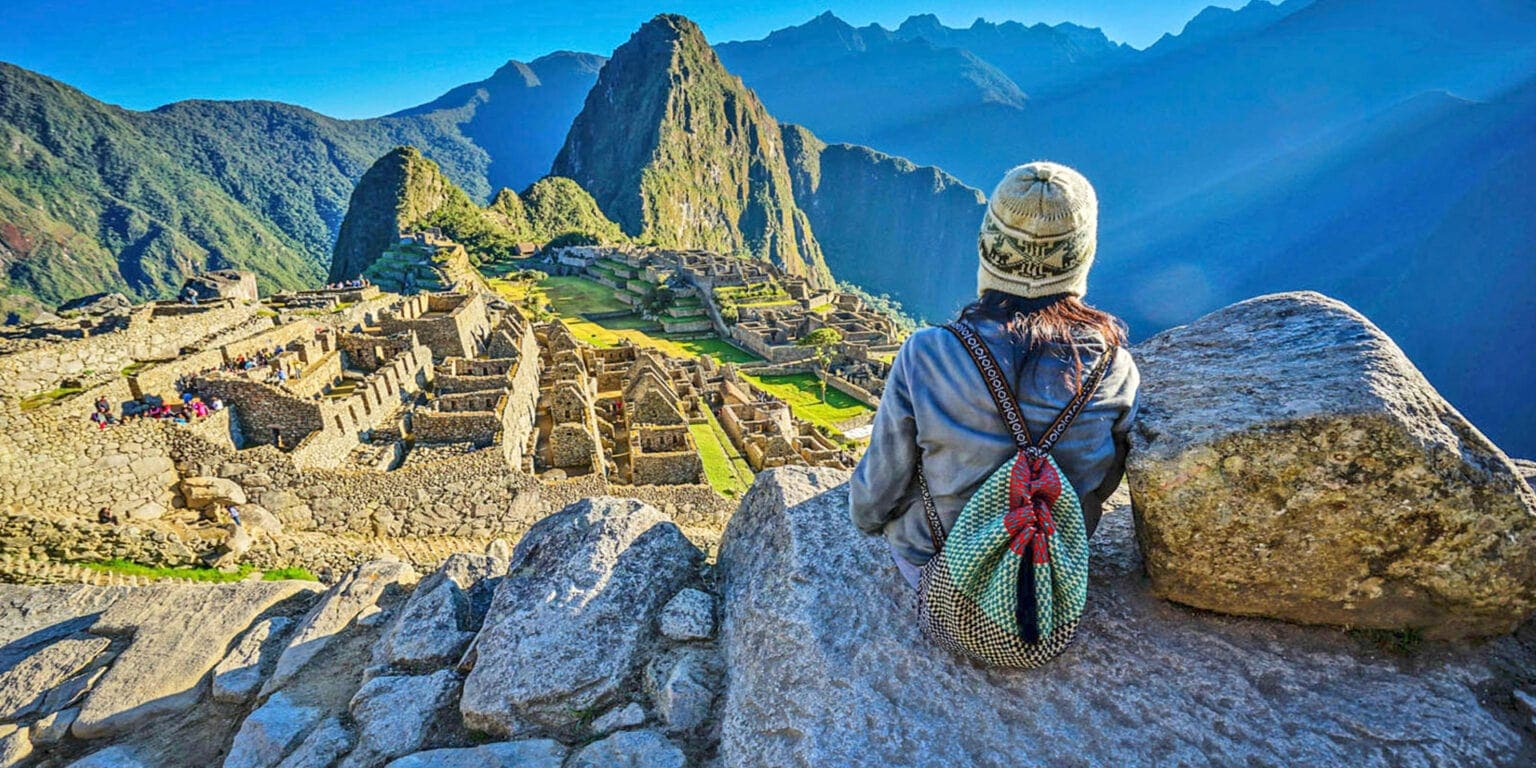
Ollantaytambo is located where the Vilcanota and Patacancha rivers meet, at a narrow point in the valley that provided an important strategic position along the route toward Machupicchu. According to the text, defensive walls were constructed across the valley to help control movement through this passage.
Above the settlement, on the rocky mountainside, is a religious sector known as the Temple of the Sun. Its monumental construction features massive stone blocks that, according to the provided text, were transported from more than 7 km away.
The urban sector of Ollantaytambo is particularly remarkable because it remains inhabited today while preserving important elements of its original Inca layout. Its streets retain channels and aqueducts, while many traditional buildings combine carved Inca stone foundations, adobe walls and colonial-style tiled roofs.
Chinchero was the royal retreat of the tenth Inca emperor, Tupac Inka Yupanqui. Its archaeological complex is surrounded by ornamental terraces and includes a large ceremonial plaza, remains of Inca dwellings and shrines. A colonial church was later constructed over the Inca structures as part of the evangelization process following the Spanish invasion.

For a better travel experience, hiring a professional tour guide is recommended.
What to bring:
The route follows the Vilcanota River through the Sacred Valley and visits Pisac, Ollantaytambo and Chinchero. Ollantaytambo is located at the confluence of the Vilcanota and Patacancha rivers and lies along the traditional route toward Machupicchu.
Prices per vehicle
No payment required to request a quote
Discover Cusco’s Inca and colonial heritage on a cultural tour visiting the Cathedral, Qorikancha and the archaeological sites of Sacsayhuaman, Q'enqo, Pukapukara and Tambomachay. Explore temples, ceremonial spaces, monumental Inca architecture and panoramic views of the city.
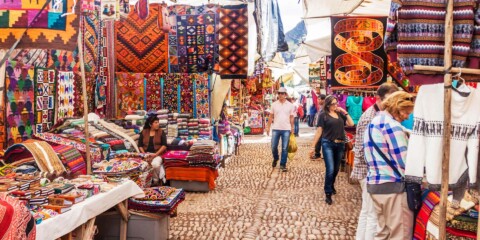
Discover Cusco’s Inca and colonial heritage on a cultural tour combining the Cathedral, Qorikancha and important archaeological sites around the city with a visit to the impressive Inca city of Pisac in the Sacred Valley. Explore monumental architecture, ceremonial spaces, panoramic landscapes and the history of the Inca Empire.
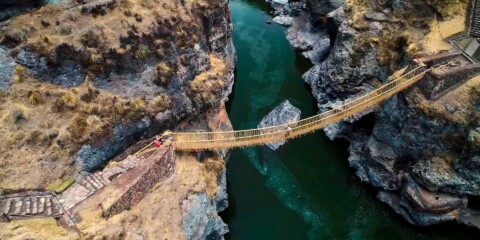
Discover Q´eswachaka Bridge and 4 Lagoons on a cultural and scenic journey through the southern Andes of Cusco. Visit the last traditional Inca rope bridge and enjoy the landscapes of Pomacanchi, Acopía, Asnacocha and Pampamarca lagoons, surrounded by mountains, wildlife and traditional Andean communities.